

05
2026
-
08
Are Transmission Models Worth Adding to Retail Categories?
Author:
Tonecheer
Introduction
For retail buyers exploring new product categories, the key question is rarely whether a product is interesting. The real question is whether it can create enough commercial value to justify shelf space.
Transmission models, also known as mechanical 3D puzzles or wooden mechanical models, represent a growing direction within the adult creative hobby market. Unlike traditional puzzles that focus mainly on completion, transmission models combine assembly, mechanical movement, and display value into one product experience.
For bookstores, gift retailers, and lifestyle stores, the opportunity lies in whether this category can attract customers who are looking for meaningful, design-oriented products beyond conventional gifts.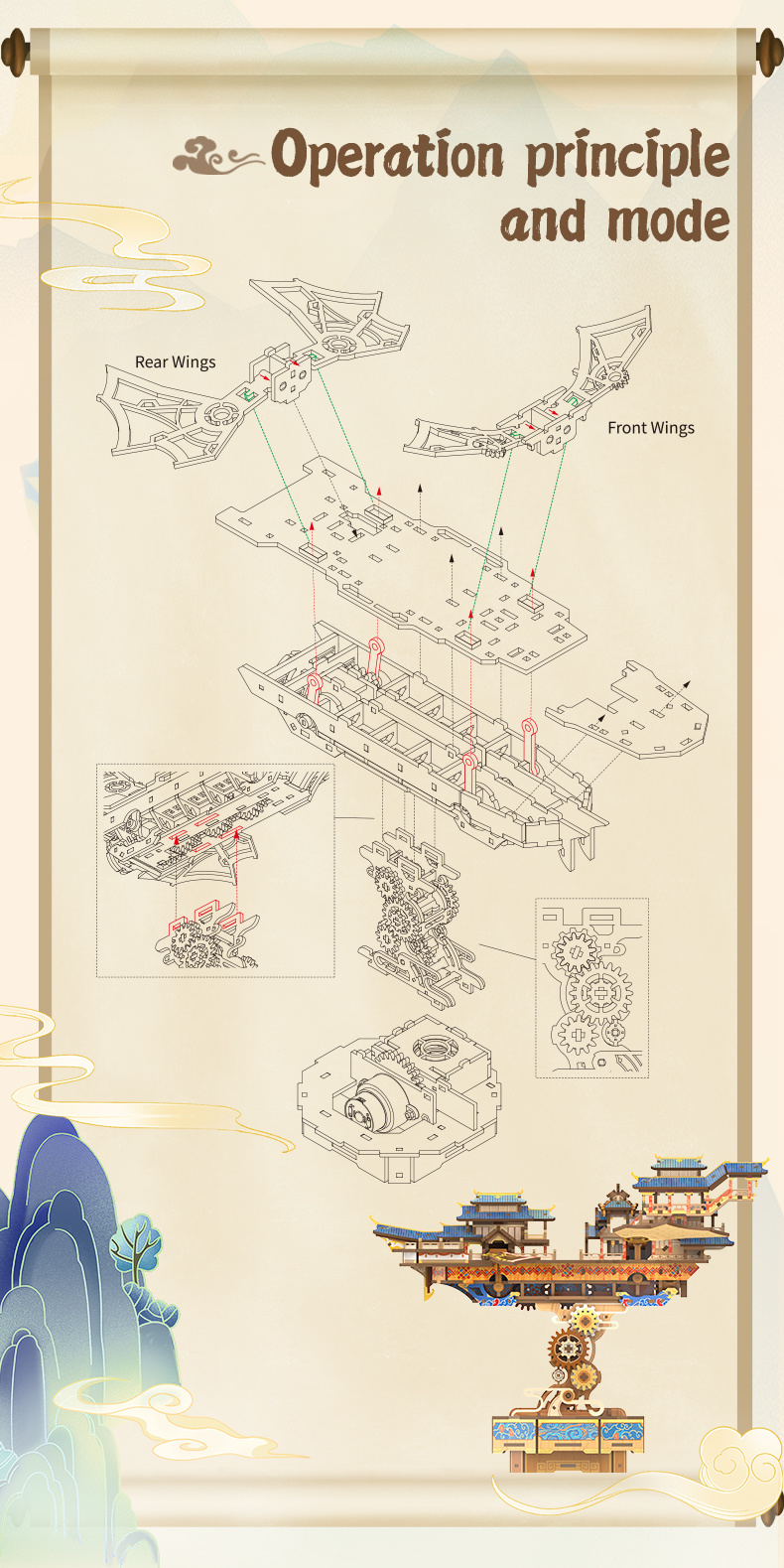
1.Why transmission models are becoming a category opportunity for retailers
The growth of adult DIY and creative hobbies has changed consumer expectations toward products that provide both entertainment and long-term value.
According to industry reports, the global puzzle and hobby market has experienced continued growth, with adult consumers becoming an important purchasing group. Products such as mechanical 3D puzzles and DIY model kits benefit from this trend because they offer a deeper experience: customers do not simply buy an object, but participate in creating it.
Compared with traditional wooden puzzles, transmission models provide additional value through mechanical interaction. Gear systems, moving components, and functional structures create a stronger sense of achievement after assembly.
For retailers, this creates a product category that sits between toys, hobbies, gifts, and home decoration.
2.Who buys transmission models in retail environments?
Understanding the target customer is one of the first considerations for buyers.
Transmission models typically appeal to:
- adult hobby customers who enjoy hands-on building
- engineering and design enthusiasts
- gift buyers searching for unique products
- collectors interested in display models
Amazon’s category performance for mechanical puzzle kits and wooden model products shows strong consumer interest, with many high-rated products receiving feedback focused on craftsmanship, assembly experience, and final display value.
This indicates that the market demand is not only driven by children’s toys, but increasingly by adult consumers seeking creative and immersive experiences.
3.How transmission models fit into existing retail categories
For most buyers, transmission models should not be evaluated as traditional toys.
Their strongest retail positioning is usually within:
- premium gift sections
- adult hobby categories
- creative lifestyle displays
- educational or cultural retail spaces
For example, museum shops, bookstore gift areas, and design-focused stores increasingly introduce experience-driven products that encourage customers to spend more time exploring merchandise.
Similar trends can be seen in the growth of book nooks, 3D puzzles, and other collectible DIY categories. These products support retail environments where discovery and storytelling influence purchasing decisions.
Tonecheer’s expansion into bookstore channels such as Thalia demonstrates how creative puzzle products can move beyond traditional toy stores and become part of cultural and lifestyle retail assortments.
4.What should retail buyers consider before adding transmission models?
Although transmission models have strong experiential value, successful category introduction depends on product selection.
Retail buyers usually evaluate:
Complexity level:
Different customers accept different assembly times. Entry-level mechanical puzzle kits may attract casual gift buyers, while advanced models appeal to experienced hobbyists.
Display impact:
Unlike ordinary products stored in boxes, completed transmission models can become visual attractions. Retailers should consider whether finished samples or demonstration displays can be provided.
Price positioning:
Because of their mechanical structure and assembly experience, transmission models usually fit a higher-value gift category rather than low-price impulse products.
Product storytelling:
Themes such as vehicles, workshops, fantasy machines, or historical mechanisms help customers quickly understand the value behind the product.
Conclusion: Are transmission models worth adding to retail categories?
Transmission models have potential as a retail category because they combine three important consumer trends: adult hobbies, creative experiences, and collectible home displays.
For retailers, the opportunity is not simply selling another puzzle product. It is introducing an experience-driven category that can attract customers, create product differentiation, and complement existing gift or lifestyle assortments.
The key decision is choosing the right product range, positioning, and display approach for each store environment.
For buyers exploring this category, the next step is usually understanding available product structures and retail applications.
Explore Tonecheer transmission models and mechanical 3D puzzle collections
Learn how interactive puzzle products fit different retail environments
Discuss category planning and wholesale cooperation opportunities
CTA
Understanding the category potential is usually the first step. The next consideration is how transmission models fit into your existing assortment and store environment.
Explore:
👉 Examples of creative puzzle products in retail environments
Related news
Copyright © 2023 Xiamen Goowin Technology Co., Ltd. 闽ICP备2023007664号-1 TAG
Copyright © 2023
Xiamen Goowin Technology Co., Ltd.